How to Register an Imported Car in the Philippines (LTO Guide 2026)
Bringing an imported car into the Philippines is exciting—but registering it with the Land Transportation Office (LTO) can feel complicated if you don’t know the process.
This complete 2026 guide explains how to register an imported car in the Philippines, including requirements, costs, step-by-step procedures, and common problems (with fixes).
Once your application is submitted, use our LTO plate tracker to monitor your plate number release in real time.
Can You Register an Imported Car in the Philippines?
Yes, you can legally register an imported vehicle, as long as it complies with government regulations.
Your car must be:
Requirements for Imported Car Registration (LTO)
For a general overview, see our full guide to vehicle registration requirements in the Philippines.
Before heading to LTO, prepare these documents:
Core Documents
Vehicle Documents
Additional Requirements
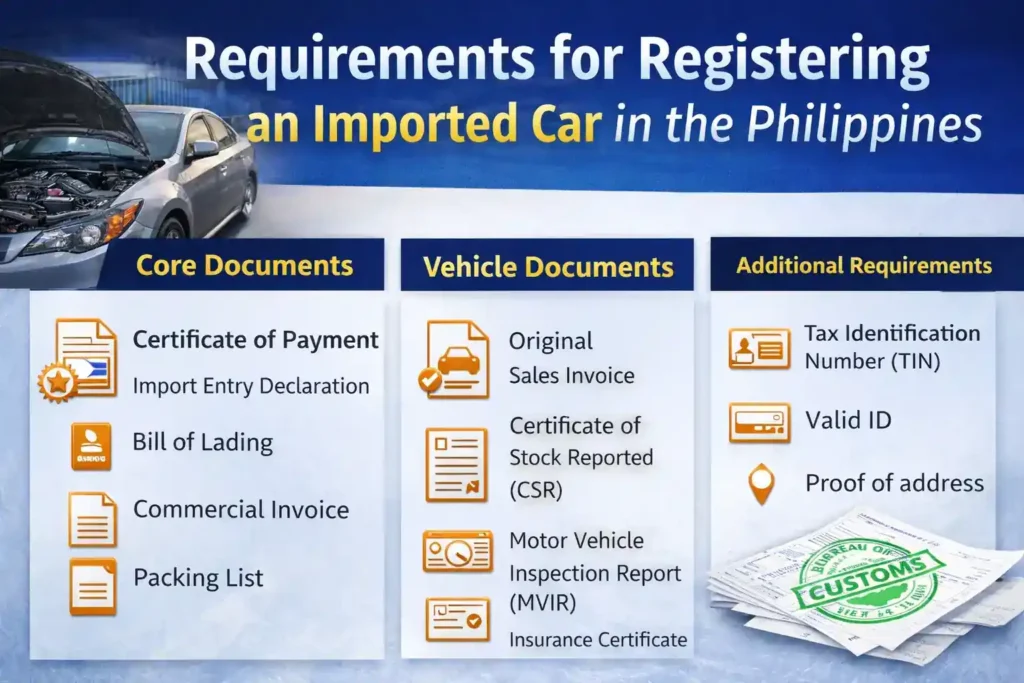
👉 Missing even one document can delay your registration.
Step-by-Step Process to Register an Imported Car
Follow this exact process to avoid delays:
Step 1: Customs Clearance
Your vehicle must first be cleared by the Bureau of Customs.
You’ll need to:
- Pay import duties and taxes
- Secure clearance documents
Step 2: Vehicle Inspection
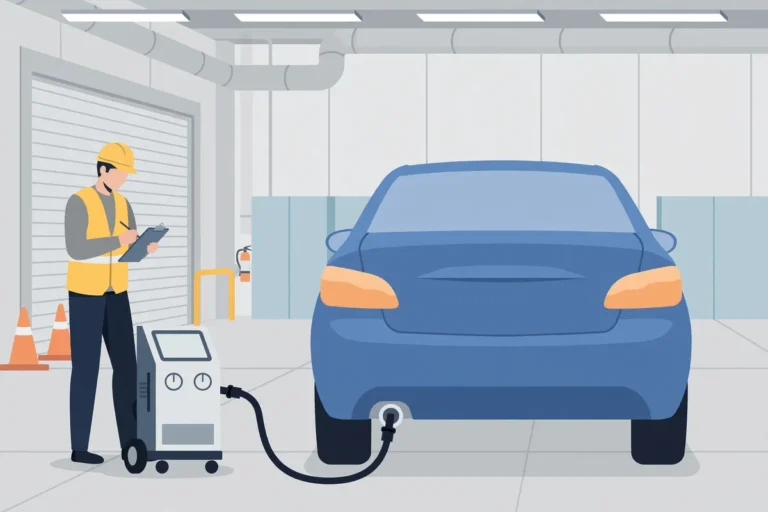
Take your car for inspection to get a Motor Vehicle Inspection Report (MVIR).
This ensures:
- Roadworthiness
- Compliance with safety standards
Step 3: Get Insurance (CTPL)
Before LTO registration, secure Compulsory Third Party Liability insurance.
Step 4: Submit Documents to LTO
Go to your nearest LTO office and submit all required documents.
Step 5: Pay Registration Fees
Fees depend on vehicle type, engine size, and value.
Step 6: Receive OR/CR & Plate Number
Once approved, you’ll receive:
- Official Receipt (OR)
- Certificate of Registration (CR)
- Plate number (or temporary plate)
Cost of Registering an Imported Car (Philippines)
Here’s an estimate of total costs:
| Fee Type | Estimated Cost |
|---|---|
| Import Duties & Taxes | ₱100,000 – ₱500,000+ |
| LTO Registration Fee | ₱2,000 – ₱10,000 |
| Insurance (CTPL) | ₱600 – ₱1,500 |
| Inspection Fees | ₱500 – ₱1,000 |
👉 Total cost depends heavily on the car’s value and origin.
Don’t forget to budget for the MVUC (Motor Vehicle User’s Charge), which you’ll also need to pay annually to keep your registration active.
How Long Does Registration Take?
👉 Delays are common due to verification and backlog.
Common Problems (And How to Fix Them)
❌ Missing Documents
✔️ Double-check requirements before visiting LTO
❌ Delayed Plate Number
✔️ Use an LTO plate tracker or follow up at your branch
❌ Right-Hand Drive Issues
✔️ Ensure proper conversion before inspection
❌ Customs Clearance Delays
✔️ Work with a licensed customs broker
Tips to Make the Process Faster
FAQs
Can I import and register a car in the Philippines?
Yes, as long as you comply with customs laws and LTO requirements.
How much does it cost to register an imported car?
It can range from ₱100,000 to ₱500,000+, depending on taxes and vehicle value.
Do imported cars get LTO plates?
Yes, but plate release may take time due to backlog.
How long does the process take?
Anywhere from a few days to several weeks, depending on document completeness.
Final Thoughts
Registering an imported car in the Philippines may seem complex, but if you follow the correct steps and prepare your documents, the process becomes much smoother.
The key is complete paperwork, proper compliance, and patience—especially with plate issuance.
After registration you can easily check your LTO Plate Number online.
Written by Joseph
Joseph covers LTO guides and helps Filipino motorists navigate LTMS online services — from portal registration and plate tracking to renewals and violations. Every guide is researched against official LTO and MMDA sources and updated regularly.