How to Check LTO Violations Online in the Philippines (Complete Guide)
Checking your LTO violations online is now an essential task for every vehicle owner and driver in the Philippines. Whether you want to renew your driver’s license, register a vehicle, or simply avoid penalties, knowing your LTO violation status helps you stay compliant with traffic laws.
This complete guide explains how to check LTO violations, where to find your fines, demerit points, penalties, and how to settle violations properly, all in one place.
What Is an LTO Violation?
An LTO violation refers to any traffic offense recorded under the Land Transportation Office, such as reckless driving, expired registration, illegal parking, or driving without a valid license.
Violations can be recorded against:
Unpaid or unresolved violations can block license renewal, vehicle registration, or even lead to suspension.
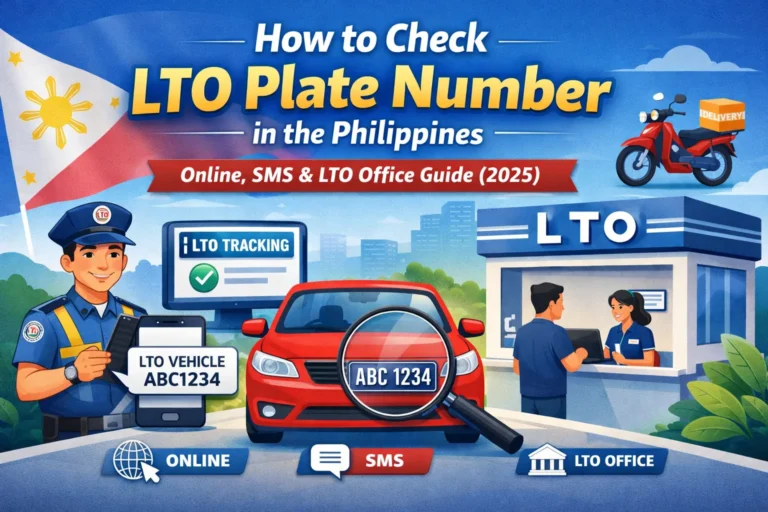
You can also find how to check LTO Plate Number in the Philippines Online.
Why You Should Check Your LTO Violations Regularly
Many drivers only find out they have violations when renewing their license or registration. Checking early helps you:
Regular checking is especially important if you frequently drive in Metro Manila or areas covered by MMDA and local traffic units.
How to Check LTO Violations Online (Step-by-Step)
Currently, LTO violations are checked through the LTMS Portal, which is the official online system of the Land Transportation Office.
Step 1: Prepare Your Details
You may need one or more of the following:
Step 2: Log in to the LTMS Portal
If you don’t have an account yet, you can register using your license or vehicle information.
Step 3: Check Violation Records
Once logged in:
If no violation appears, your record is currently clear.
Can You Check LTO Violations Without an LTMS Account?
In most cases, an LTMS account is required to see official violation records.
However, some violations may appear later if they were issued manually or by local traffic offices.
If you suspect a violation but don’t see it online:
LTO Fines and Penalties Explained
LTO fines depend on the type and severity of the violation. Common penalties include:
Common Traffic Violations and Penalties
Penalties increase for repeated offenses.
What Are LTO Demerit Points?
Demerit points are part of the LTO’s driver monitoring system.
Each traffic violation carries a corresponding number of points. Accumulating too many points can result in penalties.
Demerit Point Thresholds
Demerit points reset after a clean driving period, depending on LTO regulations.
Difference Between LTO and MMDA Violations
Not all traffic violations are recorded by LTO immediately.
- MMDA violations are usually issued under Metro Manila traffic enforcement
- LTO violations affect your license and registration records nationwide
Some MMDA violations are later synchronized with LTO records, especially under the Single Ticketing System.
How to Pay LTO Violations Online
Once a violation appears in your LTMS record, you can settle it through approved payment channels.
Common Payment Options
Always keep your payment receipt for future reference.
What Happens If You Don’t Pay LTO Violations?
Unpaid violations may result in:
Settling violations early helps avoid additional stress and legal issues.
How Long Does It Take for Violations to Appear Online?
Violation posting time varies:
Always check periodically if you were recently apprehended.
Tips for a Smooth LTO Violation Check
Frequently Asked Questions (FAQs)
How do I check my LTO violation online?
You can check violations by logging into the official LTMS Portal using your license or client number.
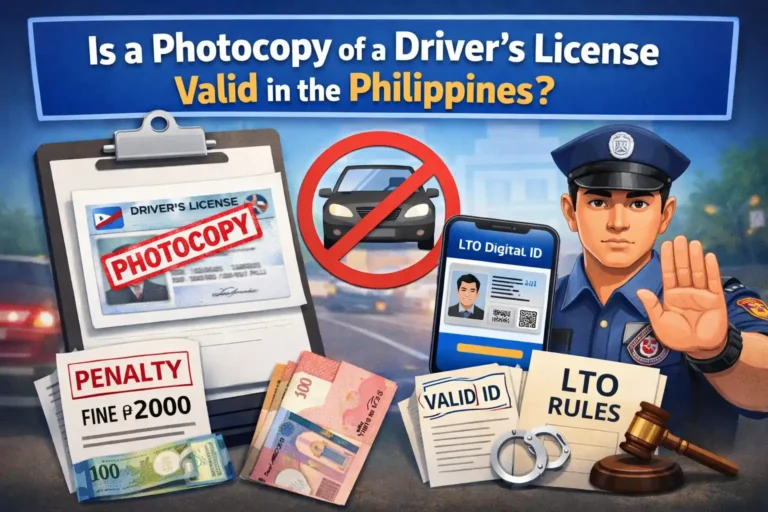
Can I renew my license with unpaid violations?
No. Outstanding violations must be settled before renewal.
Are LTO and MMDA violations the same?
No. MMDA violations are city-based, while LTO violations affect your national driving record.
How many demerit points cause suspension?
Accumulating 10 or more demerit points can result in license suspension.
Do violations expire?
Violations do not automatically disappear unless settled or cleared under LTO rules.
Final Thoughts
Knowing how to check LTO violations online helps every Filipino driver stay compliant, avoid penalties, and maintain a clean driving record. With the LTMS Portal, monitoring your violations, fines, and demerit points has become more accessible and transparent.
Before renewing your license or vehicle registration, always check your LTO violation status and settle any penalties early. Staying informed saves time, money, and unnecessary stress.